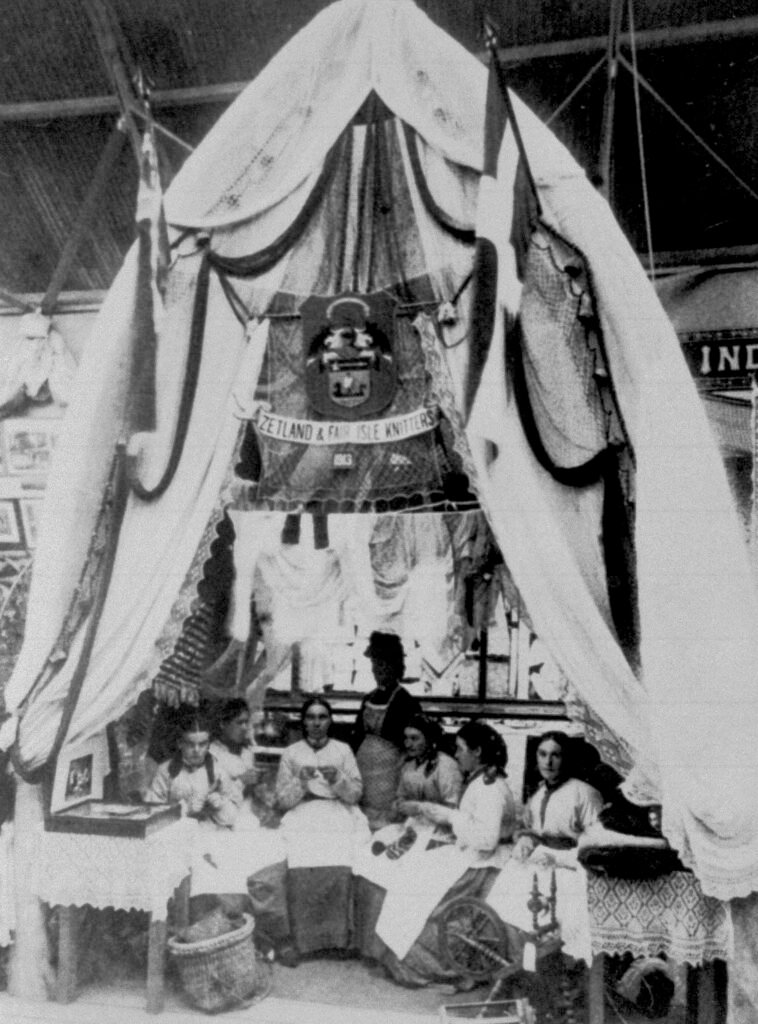
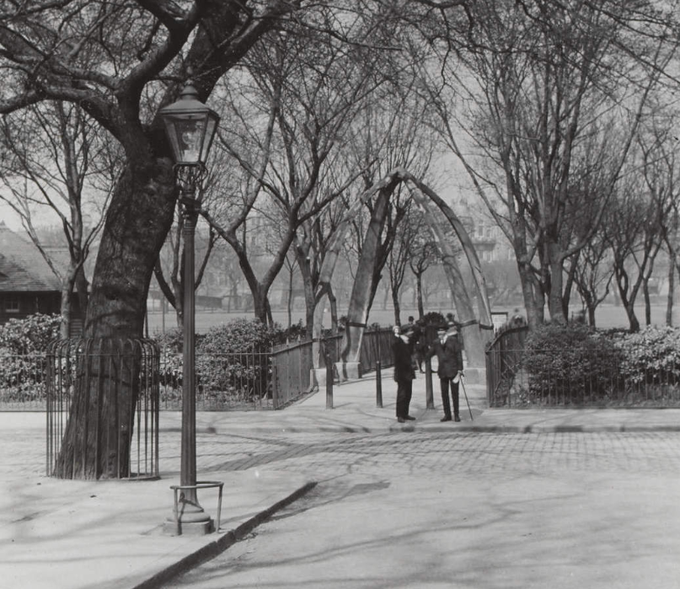
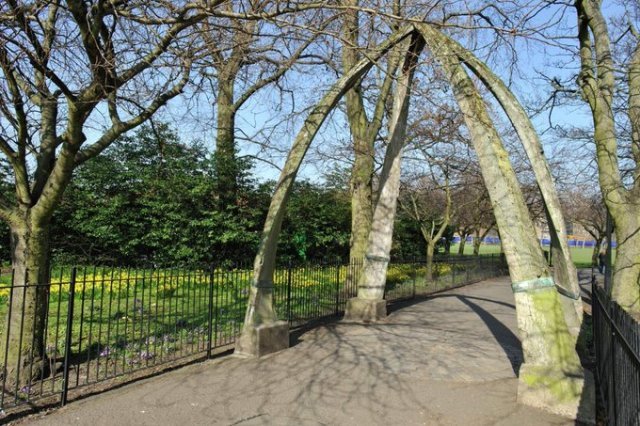
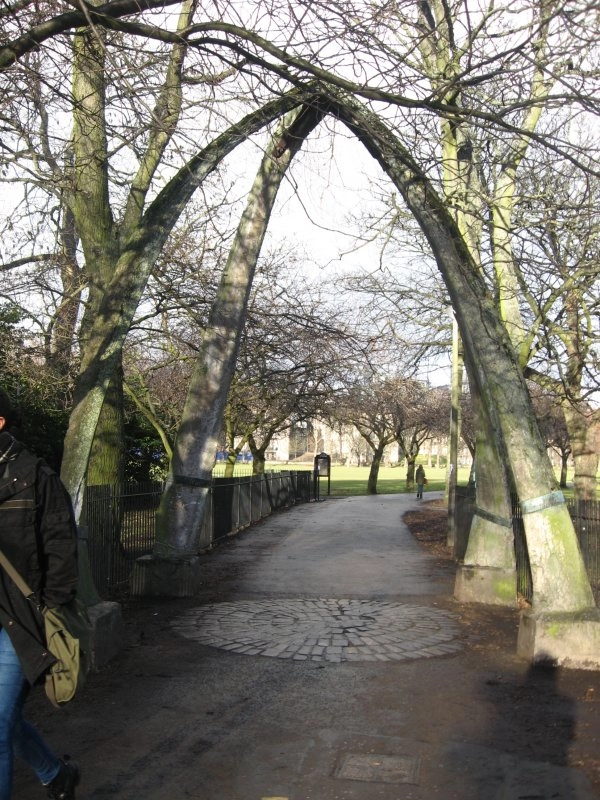
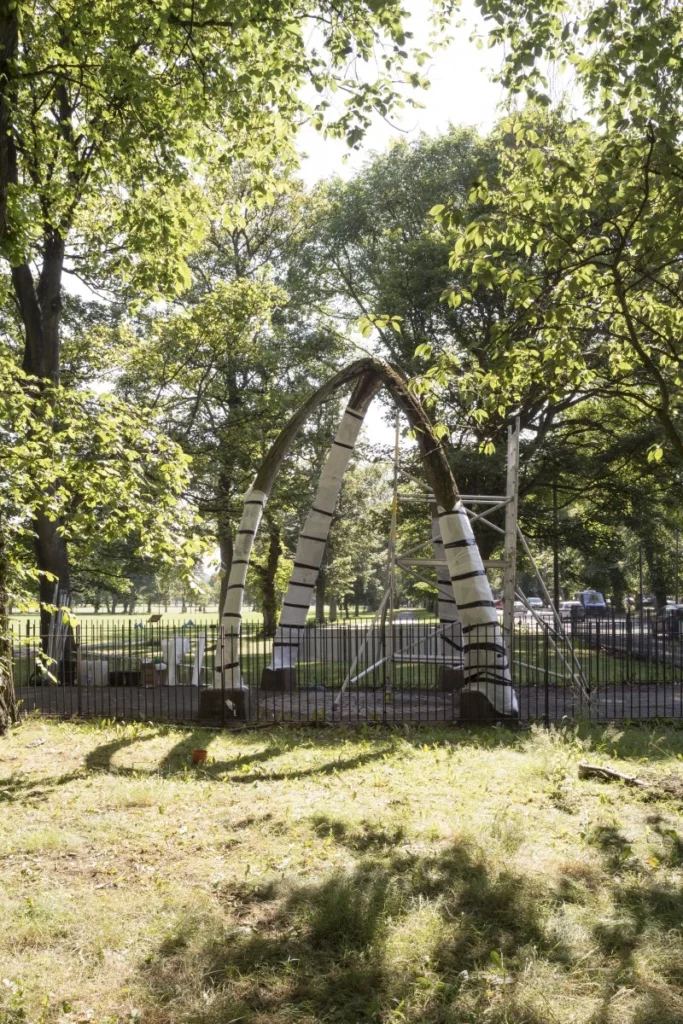
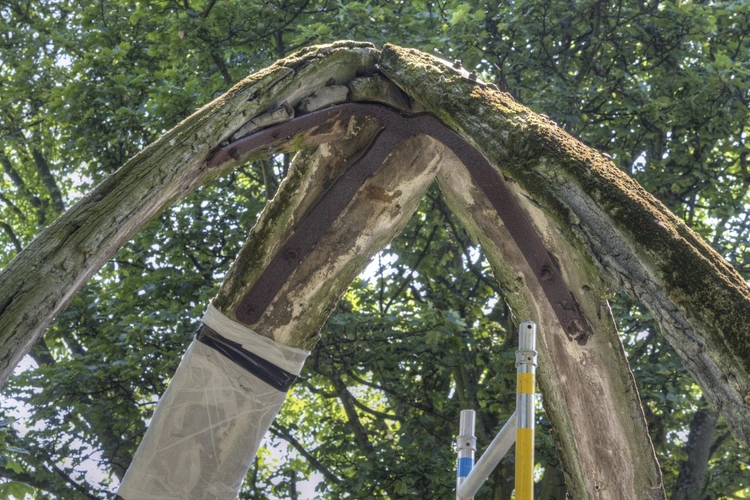
The Jawbone Arch is a distinctive Meadows landmark made from whale jawbones, originally part of the Shetland and Fair Isle knitters’ stand at Edinburgh’s 1886 International Exhibition.
Introduction to the Jawbone Arch Restoration
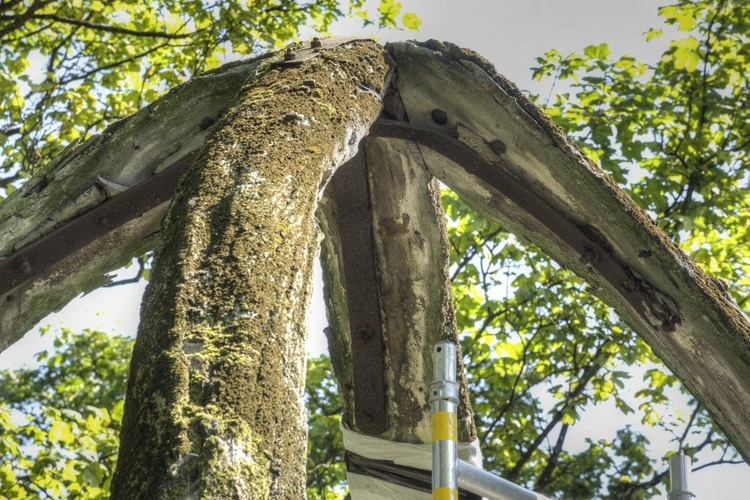
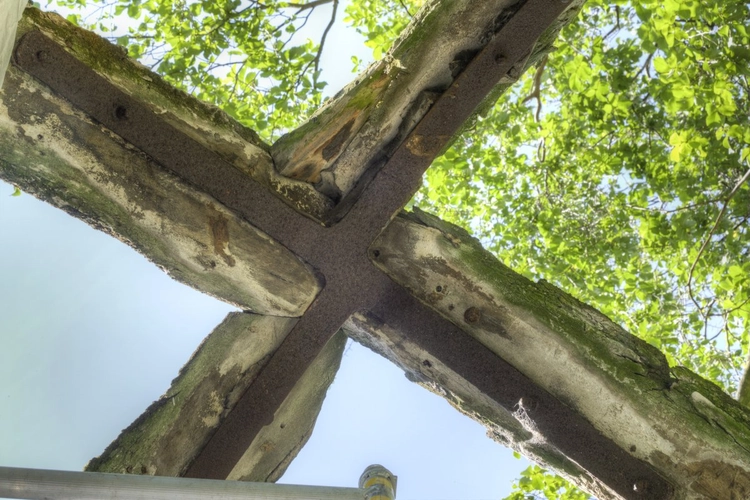
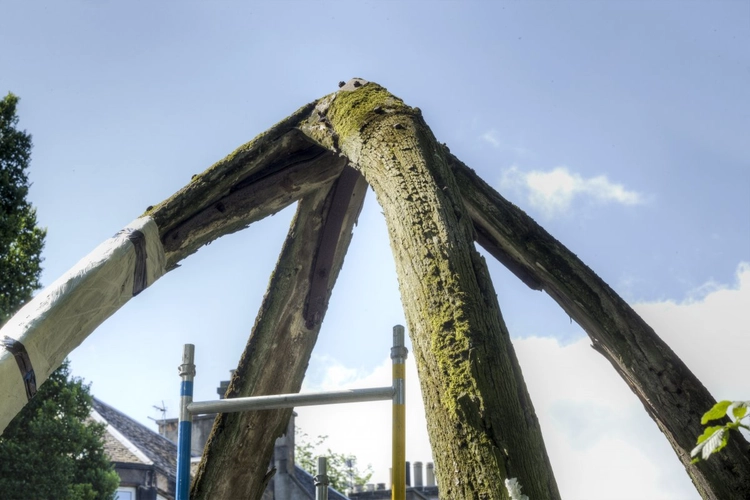
After more than a century outdoors on Jawbone Walk, the bones and their supports deteriorated, creating growing conservation and public-safety concerns. The arch was dismantled and removed in 2014 so specialist conservation could be carried out and options for its future considered.
How the Restoration Was Achieved
Specialist assessments identified weaknesses—especially around the lower ends where the bones sat in damp-retaining concrete supports—and set out a conservation approach focused on stabilising the organic material and improving support/fixtures. Plans discussed included consolidating the bone (e.g., resin impregnation used in organic-material conservation) and replacing the old concrete “shoes” with bespoke metal supports; later updates reported the originals were ultimately judged too fragile to reinstall outdoors, prompting replica and indoor-display discussions.
Why This Project Matters
The arch is a rare surviving reminder of the 1886 exhibition and is locally significant because of its Shetland knitting connection—plus it’s a much-loved feature of the Meadows route. Conservation protects what remains of the original fabric, keeps the story legible, and supports a safe long-term solution (whether controlled indoor display or a carefully considered replica on site).
Ready to begin your project
If you are planning a conservation or restoration project and want expert guidance, reach out to start the conversation.